
You just got your new medication vial. It likely cost you a lot of money. Now you might feel worried about storage. Nobody wants their expensive medicine to spoil quickly. You must keep the vial cold immediately. Heat can ruin the effectiveness very fast. Most patients make simple storage mistakes often. Does compounded tirzepatide need to be refrigerated for safety? Yes, keeping it cold is absolutely essential. Proper cooling protects the chemical structure correctly. Let us look at the exact rules.
Check out our comprehensive “Compounded Tirzepatide Guide | Results, Safety & Availability” for everything you need to know.
Do You Really Need the Fridge?
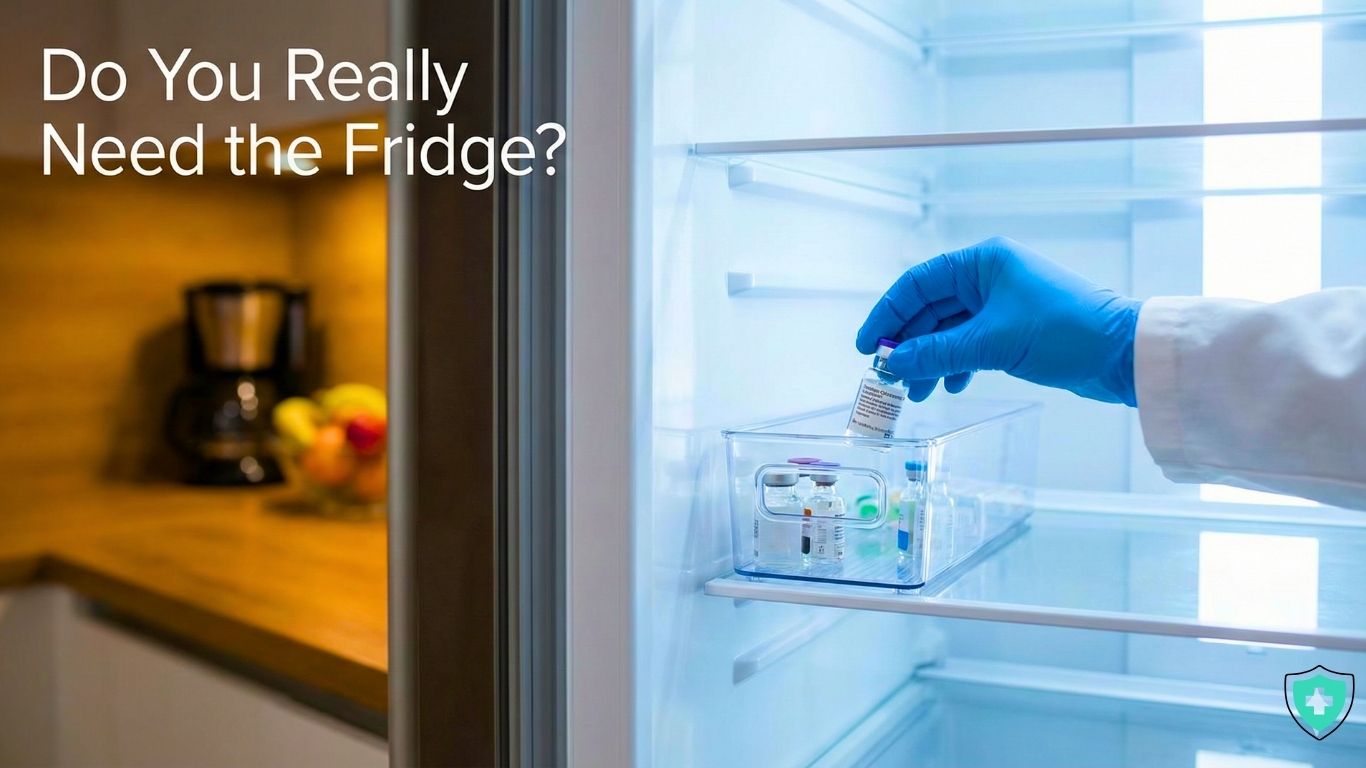
Yes, cold storage is not optional here. Tirzepatide is a very fragile peptide chain. Heat causes these bonds to break apart. Once broken, the medicine stops working correctly. You will not get the expected results. Always place the vial in your refrigerator. Keep the temperature between 36°F and 46°F.
Room temperature is dangerous for long periods. Bacteria can grow in warm liquid solutions. This creates a safety risk for injection. Your pharmacy ships it with ice packs. This proves that cold maintenance is vital. Treat this medication like fresh dairy products. Put it away immediately after every single use.
Why Peptides Break Down Quickly at Room Temperature
Peptides are essentially chains of amino acids. These chains are not very stable structures. Heat energy makes the atoms vibrate fast. This vibration snaps the delicate chemical links. The solution becomes cloudy or changes color. Does compounded tirzepatide need to be refrigerated to stop this? Absolutely, cold slows down this degradation process.
Think of it like raw meat spoiling. Warm air speeds up the chemical reactions. Preservatives help, but they have limits too. The breakdown happens invisibly at the molecular level. You might not see changes right away. But the potency drops significantly within hours. Always protect the integrity of your dose. For more details, explore our analysis: “Is compounded tirzepatide the same as mounjaro” to see how they compare.
How Long Can Compounded Tirzepatide Stay Out?
Brief exposure usually causes no major harm. Leaving it out for one hour is okay. Does compounded tirzepatide need to be refrigerated right after? Yes, put it back as soon as possible. Most pharmacists say 24 hours is the limit. Beyond that, the risk increases drastically.
Do not make a habit of this. Temperature fluctuations stress the delicate peptide formula. Constant warming and cooling weaken the drug. Try to keep the vial consistently cold. Take it out only for your injection. This practice ensures the best possible results.
If you leave it out longer, call us. We might advise discarding that specific vial. Safety is always the most important factor. Never inject medicine that sat out for days. It is simply not worth the health risk. Always follow the specific instructions on your label.
The 21-Day Rule vs. What Your Pharmacy Label Says
Some brands mention a 21-day limit at room temperature. However, compounded versions are often different formulas. They lack the same heavy-duty commercial stabilizers. Therefore, the brand-name rules do not apply. You must follow your compounding pharmacy’s label. Their specific dates are the only ones that matter.
Assume your compounded mix is more fragile. Do not gamble with the expiration dates. Most compounded vials last 28 days opened. But this assumes they stayed cold continuously. Heat drastically shortens this safe usage window. Stick to the strictest storage guidelines available.
Find out the truth here:
What Happens If You Accidentally Leave It Out Overnight?
Many patients panic when this happens accidentally. Usually, one night is not a disaster. The medication does not spoil instantly like milk. However, it may lose a small percentage of potency. Inspect the liquid visually for any changes. It should look clear, colorless, and particle-free.
If the liquid looks cloudy, discard it. If it changed color, do not use it. If it looks clear, it is likely safe. Put it back in the fridge immediately. Mark the bottle to track its performance. You might notice slightly weaker effects this week.
Call your pharmacist if the room is hot. Temperatures above 86°F are very damaging. In that case, replacement is the safest option. Do not risk an infection or a bad reaction. Peace of mind is worth the cost of replacement. Be more careful with storage next time. Improper storage can ruin potency, leading to stalled results. If you’re struggling, read more here: “Why am i not losing weight on tirzepatide compound” and find out why.
Storage Temperature Finding the Sweet Spot in Your Fridge
Your fridge has different temperature zones inside. The back is usually the coldest spot. This is the best place for medicine. Does compounded tirzepatide need to be refrigerated in a specific drawer? The middle shelf is usually the most stable. Keep it away from the cooling vent.
Do not let the vial touch the back wall. It might freeze if it comes into contact with ice. Freezing ruins the peptide structure completely. Use a small plastic bin for protection. This keeps the vial upright and safe. It also separates medicine from food items.
Avoid the vegetable crisper drawers if possible. Humidity levels fluctuate too much in there. Consistency is key to preserving the shelf life. Check your fridge temperature setting occasionally. It should stay steadily around 36°F to 40°F. This range ensures maximum potency for the month.Dive deeper into the “What is the difference between compounded tirzepatide and mounjaro”
Avoid the Door Why Stability Matters for Your Vial
Never store your medication in the door. The door is the warmest part of the fridge. Every time you open it, warm air rushes in. The temperature in that area fluctuates constantly. This thermal stress damages the peptide bonds. It is the worst spot for sensitive drugs.
You want a stable, dark, and cold environment. The door offers none of these things. Light exposure also degrades the medication quickly. The main shelves offer better darkness and stability. Treat the vial like a biological sample. Keep it deep inside the main compartment. You might also want to read about the “Difference between compounded tirzepatide and zepbound“
Freezing Risks: Can You Put Tirzepatide in the Freezer?
Absolutely never put this medication in the freezer. Freezing is destructive to this specific peptide. Does compounded tirzepatide need to be refrigerated or frozen? Only refrigeration is safe for this compound. Temperatures below 32°F shatter the molecular structure. The damage is irreversible once it thaws.
If your vial freezes accidentally, throw it away. You cannot save it by warming it up. The liquid might look normal after thawing. But the active ingredients are likely destroyed. Injecting it would be useless and unsafe. Check your fridge settings to prevent accidental freezing. Learn more about potency here: Is compounded tirzepatide as effective as zepbound
How Ice Crystals Destroy the Medication’s Molecular Structure
Liquid expands when it freezes. Sharp ice crystals form inside the solution. These crystals act like tiny, microscopic knives. They slice through the fragile peptide chains. The protein structure physically breaks apart instantly. This disrupts the drug’s biological activity.
Once the bond is cut, it is over. The drug cannot reassemble itself upon thawing. Does compounded tirzepatide need to be refrigerated to avoid this? Yes, keep it above freezing at all times. You end up injecting ineffective water, essentially. You will lose the weight loss benefits.
Sometimes glass vials can crack from freezing. This introduces bacteria into the sterile solution. Even if the glass holds, the drug is dead. Do not try to test it out. It is a waste of your time. Always store it on the middle shelf.
Traveling with Compounded Tirzepatide: A Step-by-Step Guide
Travel does not have to ruin your schedule. You can safely take your medication with you. Preparation is the key to safe transport. You need to keep the vial cool continuously. Do not throw it in a hot suitcase.
- Buy a medical-grade insulated travel cooler bag.
- Use frozen gel packs, not loose ice cubes.
- Keep medication in the original prescription box with the label.
- Never place medication directly against the ice packs.
- Carry the bag on the plane.
Security allows medical liquids in carry-on bags. Just declare them to the officer before screening. Discover more about the supply chain: How long will compounded tirzepatide be available
Choosing the Right Insulated Case and Ice Packs for Flights
Invest in a high-quality insulin travel case. Hard-shell cases offer the best physical protection. Look for cases with dedicated gel pack slots. These keep the cold source separated from the glass. Direct contact can freeze and ruin the liquid. Soft lunch bags are not reliable enough.
Gel packs stay frozen longer than water ice. They also do not leak water when melting. Ensure the case is approved for TSA screening. It should fit easily in your carry-on bag. Never check this medication with your luggage. The cargo hold gets too cold or hot.
Signs Your Compounded Tirzepatide Has Gone Bad
Visual inspection is your first line of defense. You must look at the liquid before injecting. Bad medicine can cause serious health complications. Do not ignore changes in the fluid’s appearance. Here is what you should look for.
- The liquid looks cloudy, milky, or very hazy.
- Small solid particles are floating in the vial.
- The color has changed to yellow or brown.
- The vial cap seal is broken or damaged.
- It has been un-refrigerated for over 24 hours.
If you see these signs, discard them immediately. Call your pharmacy to order a fresh replacement. Stay informed about the “Compounding pharmacy tirzepatide lawsuit“
Once Punctured, Does the Shelf Life Change?
Yes, the clock starts ticking faster after opening. The seal is broken once the needle enters. Bacteria can now theoretically enter the vial. Does compounded tirzepatide need to be refrigerated after opening? Yes, it is critical to slow bacterial growth. The sterile environment is no longer 100% perfect.
Most pharmacists set a strict 28-day limit. This rule applies even if liquid remains inside. Do not try to stretch the supply out any further. Preservative chemicals lose their effectiveness over time. Using old medication increases the risk of injection site infection.
Mark the date of the first puncture. Write it directly on the bottle or box. Count 28 days forward from that specific date. Discard any leftovers after that date passes. Your health is worth more than the leftovers. Stick to the monthly schedule for best safety. Get the exact timeline here: How long is compounded tirzepatide good for in the fridge
The 28-Day Safety Rule After the First Needle Puncture
This rule is a standard medical safety guideline. It is known as the “multi-dose vial” policy. Every needle insertion introduces a tiny amount of air. Air contains microscopic contaminants and potential bacteria. The preservatives fight this, but they get exhausted.
After 28 days, the preservatives are no longer effective. They cannot guarantee the liquid is still sterile. Using it beyond this point is very risky. You might get a painful abscess or infection. The medication potency also drops off significantly.
Do not hoard extra doses for later use. Discard the vial even if it looks full. Pharmacies calculate the number of vials to last exactly one month. If you have extra, verify your dosage amount. Safety protocols exist to protect you from harm. Follow the 28-day expiration rule without exception. Related guide: When will compounded tirzepatide no longer be available
Common Storage Mistakes That Ruin Potency
Small habits can ruin expensive medication very easily. Patients often make errors without realizing the damage they cause. These mistakes make the drug work much less. You want full strength for your weight loss. Avoid these common errors to ensure results.
- Storing the vial in the warm fridge door.
- Leaving the vial in a hot parked car.
- Shaking the vial vigorously before drawing the dose.
- Using the vial past the 28-day limit.
- Freeze the medication near the cooling vent.
Treat your medication like a fragile, expensive investment. Good habits ensure you get the best results.
FAQs
Can I use tirzepatide if left out overnight?
Ans: Generally, it is safe if the temperature is under 86°F. Inspect for cloudiness or particles. If clear, refrigerate immediately and use as directed.
What is the ideal temperature for tirzepatide storage?
Ans: Keep your vial between 36°F and 46°F. The middle shelf is best. Avoid the warmest areas of the door and the freezer.
Does compounded tirzepatide expire quickly after opening?
Ans: Yes, once punctured, it expires in 28 days. Discard any remaining liquid after this period to ensure safety and potency.
How do I travel safely with my medication?
Ans: Use an insulated cooler bag with frozen gel packs. Always keep it in your carry-on luggage. Never check it in.
Can I freeze my tirzepatide vial for later?
Ans: Never freeze this medication. Freezing destroys the molecular structure. If frozen by accident, discard the vial immediately, as it is ineffective.
Conclusion
Proper storage is vital for your success. Treating the vial correctly protects your financial investment. Always keep it cold, dark, and stable. Avoid extreme heat and never freeze the liquid. Check the appearance before every single injection. Discard any vial that looks cloudy or strange.
Bad storage causes the medicine to stop working. You might wonder, “Why am i not losing weight on tirzepatide compound?” The answer could be improper storage, destroying potency. Follow these rules to keep the drug effective. Consult your doctor if you have storage doubts. Safety and effectiveness always go hand in hand.
Information Collected Source
Medical Disclaimer: This article is meant to share general information, not medical advice. Please talk to your healthcare provider before making any changes to your medication or how it’s stored.
Reviewed & Verified By: CMH Health Editorial and Medical Review Team

Hello everyone, I’m Mehedi Hasan — a passionate health content creator and the founder of CMH Healths. Since 2015, I have been researching and writing about health topics with the goal of helping people live healthier and more informed lives. I focus on creating practical, research-based content on health and medicine that empowers readers to make confident, evidence-backed decisions. All my articles are fact-checked against official medical sources like the FDA and clinical studies.