
Trying to choose between Sermorelin and Tirzepatide? It can feel confusing at first. Both are injectable treatments, but they work in very different ways inside the body. One supports natural growth hormone release. The other helps control blood sugar and appetite. Because they affect the body differently, the results and risks are not the same. In this guide on Sermorelin vs Tirzepatide, you will learn the key benefits, safety points, and cost differences to help you decide wisely.
What Sermorelin Does in the Body
Sermorelin is a synthetic form of growth hormone–releasing hormone. It signals the pituitary gland to release natural growth hormone. This keeps the body’s normal pulsatile rhythm instead of replacing the hormone directly. The released hormone then stimulates the liver to produce IGF-1. That pathway supports tissue repair, metabolism, and changes in body composition.
Its effects depend on baseline pituitary function. It has been used in specific cases of growth hormone deficiency. However, it is not widely FDA-approved for adult deficiency treatment. Sermorelin does not directly control appetite. Blood sugar effects may vary because growth hormone can influence insulin sensitivity in some individuals.
What Tirzepatide Does in the Body
Tirzepatide is a dual GLP-1 and GIP receptor agonist. It helps the pancreas release insulin when blood sugar rises. At the same time, it lowers glucagon levels after meals. These actions improve blood glucose control in people with type 2 diabetes. It also slows stomach emptying, which increases feelings of fullness.
By acting on appetite centers in the brain, tirzepatide reduces hunger signals. This often leads to lower calorie intake over time. Large clinical trials, including the SURMOUNT studies, showed meaningful weight reduction in adults with obesity. It works independently of growth hormone pathways and is given once weekly under medical supervision.
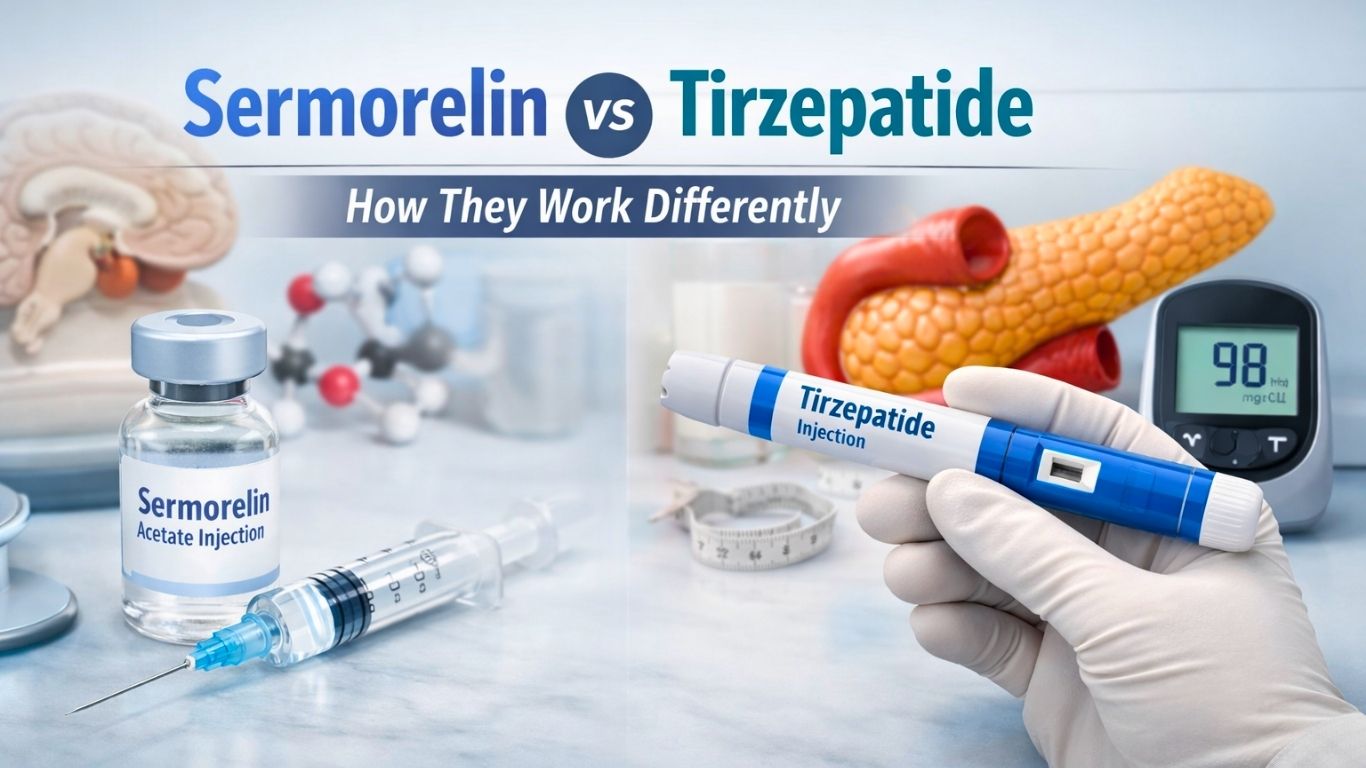
Sermorelin vs Tirzepatide: How They Work Differently
Sermorelin stimulates the pituitary gland to release natural growth hormone. It supports the body’s normal pulsatile hormone rhythm. Growth hormone then increases IGF-1 production in the liver. This pathway influences tissue repair and metabolic regulation.
Comparison Table:
| Feature | Sermorelin | Tirzepatide |
|---|---|---|
| Primary Target | Pituitary gland | GLP-1 and GIP receptors |
| Main Action | Stimulates GH release | Enhances insulin and reduces appetite |
| Weight Effect | Indirect | Direct and clinically proven |
| FDA Status | Limited pediatric indication | Approved for diabetes and obesity |
| Dosing | Usually daily | Weekly |
Sermorelin works through upstream hormone modulation. Tirzepatide directly targets metabolic and appetite pathways. Their clinical purposes and treatment goals are fundamentally different.
Clinical Effectiveness Based on Research and Real-World Data
Large clinical trials provide strong evidence for tirzepatide. In the SURMOUNT-1 study, adults with obesity lost significant weight. Participants receiving 15 mg weekly lost up to 22.5% of body weight over 72 weeks. Waist size, blood pressure, and metabolic markers improved consistently. These findings were replicated across multiple randomized trials.
In people with type 2 diabetes, tirzepatide reduced HbA1c by up to 2.4%. Many patients achieved target glucose levels without severe hypoglycemia. Real-world analyses show continued weight reduction beyond one year. Gastrointestinal symptoms remain the most common limitation during early treatment phases.
Evidence for sermorelin is more limited in adults. Most published data involve pediatric growth hormone deficiency treatment. Adult studies demonstrate increased IGF-1 levels after therapy. However, consistent weight loss outcomes have not been established. Clinical response depends on baseline pituitary function and hormonal status.
Which Is Better for Weight Loss?
Tirzepatide has strong clinical evidence for weight reduction. In the SURMOUNT-1 trial, participants lost up to 22.5% body weight. The highest dose was 15 mg weekly for 72 weeks. Significant improvements occurred in waist circumference and metabolic markers. These results were consistent across several large randomized trials.
Sermorelin does not have comparable weight loss trials in adults. It may increase IGF-1 in individuals with low growth hormone levels. However, consistent fat loss data are limited. Weight change depends on baseline hormone function. Based on current evidence, tirzepatide shows superior and predictable weight reduction outcomes.
Muscle Growth and Body Composition Differences
Sermorelin stimulates the pituitary to release natural growth hormone. This may increase IGF-1 levels in some individuals. Growth hormone supports protein synthesis and tissue repair. However, strong adult trials showing consistent muscle gain remain limited.
| Feature | Sermorelin | Tirzepatide |
|---|---|---|
| Primary Action | Stimulates natural GH release | Reduces appetite and improves glucose control |
| Lean Mass Effect | Possible support in deficiency | Lean mass may decrease with weight loss |
| Main Clinical Goal | Hormone modulation | Obesity and diabetes management |
| Trial Evidence | Limited adult data | Large randomized controlled trials |
Sermorelin works through hormonal signaling that influences tissue maintenance. Tirzepatide reduces body fat through metabolic pathways. Their effects on muscle and body composition reflect different therapeutic purposes.
Sermorelin vs Tirzepatide Side Effects Comparison
Tirzepatide and Sermorelin have different safety profiles. Sermorelin mainly affects hormonal pathways and may cause mild injection-related reactions. Tirzepatide primarily affects the digestive system. Nausea and appetite changes are common during early treatment. Serious risks differ between these medications. Close medical supervision is recommended throughout therapy.
Common Side Effects of Sermorelin
Sermorelin is generally well tolerated when properly prescribed. Most reactions are mild and temporary. Injection site redness or swelling may occur. Some patients experience headaches or facial flushing after dosing. Hormonal stimulation may affect fluid balance and blood glucose in certain individuals.
Here are Some Common Side Effects of Sermorelin:
- Redness or swelling at injection site
- Mild headache after injection
- Temporary facial flushing sensation
- Mild joint discomfort during therapy
- Possible changes in blood glucose
Most side effects resolve without lasting complications. Monitoring IGF-1 and glucose levels improves safety. Persistent symptoms should be evaluated by a physician. Individual tolerance can vary between patients.
Common Side Effects of Tirzepatide
Tirzepatide commonly causes gastrointestinal symptoms, especially during dose escalation. Nausea is the most frequently reported effect. Vomiting and diarrhea may occur in some patients. Appetite reduction can lead to temporary fatigue. Rare but serious risks include pancreatitis and gallbladder disease.
Here are Some Common Side Effects of Tirzepatide:
- Nausea during early treatment phase
- Vomiting after dose increases
- Diarrhea with abdominal discomfort
- Reduced appetite causing lower energy
- Mild injection site irritation
Gastrointestinal symptoms often improve over time. Gradual dose escalation improves tolerability. Severe abdominal pain requires immediate medical evaluation. Ongoing follow-up ensures safe long-term treatment.
Safety and FDA Approval Differences
Tirzepatide holds full FDA approval for type 2 diabetes treatment. It is also approved for chronic weight management in adults. These approvals followed large randomized controlled clinical trials. Sermorelin previously held pediatric approval for growth hormone deficiency. It is not broadly FDA-approved for adult deficiency treatment.
| Feature | Sermorelin | Tirzepatide |
|---|---|---|
| FDA Approval | Limited pediatric indication | Approved for diabetes and obesity |
| Adult Use | Often off-label | FDA-approved |
| Trial Strength | Limited adult trials | Large randomized trials |
| Regulatory Oversight | Variable in clinics | Strict federal approval standards |
Regulatory status directly affects prescribing standards and monitoring requirements. FDA approval reflects strong clinical trial evidence. Off-label use requires careful physician oversight and individualized evaluation.
Long-Term Use and Sustainability Considerations
Long-term safety depends on individual metabolic and hormonal status. Tirzepatide has multi-year extension data from controlled clinical trials. Weight loss benefits were sustained with continued weekly treatment. Gastrointestinal symptoms often decreased as treatment progressed. Ongoing monitoring of glucose and pancreatic health remains essential.
Data for long-term sermorelin use in adults are limited. Most published evidence involves pediatric growth hormone deficiency cases. Sustained IGF-1 elevation requires regular laboratory monitoring. In Sermorelin vs Tirzepatide comparisons, the durability of metabolic outcomes differs. Treatment decisions should reflect long-term goals and medical supervision.
Sermorelin vs Tirzepatide Cost Comparison in the USA
Tirzepatide pricing depends on brand formulation and insurance coverage. Monthly retail cost without insurance can exceed one thousand dollars. Coverage varies based on diabetes or obesity diagnosis criteria. Sermorelin pricing varies widely across compounding pharmacies. Monthly costs often range between several hundred dollars.
| Cost Factor | Sermorelin | Tirzepatide |
|---|---|---|
| Typical Monthly Cost | $300–$600 | $1,000–$1,300 without insurance |
| Insurance Coverage | Often limited | Common for diabetes diagnosis |
| Formulation | Compounded preparation | Branded manufacturer product |
| Price Consistency | Variable by clinic | More standardized retail pricing |
Actual costs depend on insurance status and pharmacy source. Financial considerations often influence treatment selection. Patients should verify coverage details before starting therapy.
Who Should Avoid Sermorelin or Tirzepatide?
Individuals with active cancer should avoid growth hormone–stimulating therapies. Sermorelin may not suit patients with pituitary tumors. Uncontrolled diabetes requires caution before initiating hormone modulation. People with proliferative retinopathy should avoid growth hormone stimulation. Pregnancy and breastfeeding remain contraindications without specialist supervision.
Tirzepatide should be avoided in patients with medullary thyroid carcinoma. Those with multiple endocrine neoplasia type 2 require strict avoidance. A history of pancreatitis warrants careful medical evaluation. Severe gastrointestinal disease may limit tolerability significantly. Hypersensitivity reactions also require immediate discontinuation and reassessment.
Can You Take Sermorelin and Tirzepatide Together?
Currently, no large clinical trials evaluate combined therapy. The mechanisms of action differ significantly between the two agents. Sermorelin increases endogenous growth hormone release through pituitary stimulation. Tirzepatide modifies incretin pathways, influencing insulin and appetite regulation. Combined hormonal and metabolic shifts require careful oversight.
When comparing Sermorelin vs Tirzepatide, clinical goals must guide decisions. Potential glucose changes require close monitoring during combination use. Growth hormone influences insulin sensitivity in susceptible individuals. Dual therapy may increase metabolic variability in some patients. Physicians should individualize treatment after reviewing comprehensive endocrine profiles.
Quick Comparison Table for Sermorelin and Tirzepatide
Both medications differ in mechanism, approval status, and metabolic impact. Sermorelin targets pituitary hormone release and IGF-1 pathways. Tirzepatide directly regulates insulin secretion and appetite signaling. Their clinical indications and evidence strength vary considerably. Understanding these contrasts supports safer, informed treatment decisions.
| Feature | Sermorelin | Tirzepatide |
|---|---|---|
| Drug Class | GHRH analog | Dual GLP-1/GIP receptor agonist |
| Primary Use | Hormone modulation | Diabetes and obesity treatment |
| FDA Approval | Limited pediatric indication | Approved for diabetes and obesity |
| Weight Effect | Indirect and variable | Clinically significant reduction |
| Dosing Frequency | Usually daily | Weekly |
| Main Risk | Hormonal imbalance | Gastrointestinal intolerance |
Therapeutic selection depends on medical history and treatment goals. Each medication serves distinct clinical purposes. Professional evaluation ensures safer long-term outcomes.
FAQs
Is tirzepatide approved for weight loss?
Answer: Yes. Tirzepatide is FDA-approved for chronic weight management in adults with obesity or overweight conditions. Approval followed large clinical trials demonstrating substantial and sustained body weight reduction.
Is sermorelin FDA-approved for adult growth hormone deficiency?
Answer: No. Sermorelin previously had pediatric approval for growth hormone deficiency. It is not widely FDA-approved for adult deficiency treatment and is often prescribed off-label.
Does tirzepatide affect muscle mass?
Answer: Tirzepatide primarily reduces body fat through appetite and metabolic regulation. Some lean mass loss can occur during significant weight reduction, especially without resistance training.
Can sermorelin help with fat loss?
Answer: Sermorelin may influence body composition by increasing growth hormone levels. However, consistent and clinically proven fat loss data in healthy adults remain limited.
Which medication works faster for visible results?
Answer: Tirzepatide generally produces measurable weight reduction within months. Sermorelin effects depend on baseline hormone levels and are typically slower and less predictable.
Are both medications given by injection?
Answer: Yes. Sermorelin is usually injected daily. Tirzepatide is administered once weekly using a prefilled injection device.
Which option is safer long-term?
Answer: Safety depends on medical history and monitoring. Tirzepatide has extensive randomized trial data. Long-term adult data for sermorelin remain more limited.
Conclusion
Choosing between these therapies requires careful medical evaluation and realistic expectations. Tirzepatide has strong evidence for weight reduction and metabolic improvement. Sermorelin primarily supports natural growth hormone signaling pathways. Their safety profiles, regulatory status, and clinical outcomes differ significantly.
When comparing Sermorelin vs Tirzepatide, treatment goals should guide decisions. Weight management favors tirzepatide based on clinical trials. Hormonal modulation may favor sermorelin in selected cases. Individual health status and physician oversight remain essential for safe, effective therapy.
Medical References:
- NEJM – Tirzepatide Obesity Trial (SURMOUNT-1)
- NEJM – Tirzepatide in Type 2 Diabetes
- FDA – Tirzepatide Weight Management Approval
Disclaimer: Based on medical guidelines. Consult your healthcare provider.

Hello everyone, I’m Mehedi Hasan — a passionate health content creator and the founder of CMH Healths. Since 2015, I have been researching and writing about health topics with the goal of helping people live healthier and more informed lives. I focus on creating practical, research-based content on health and medicine that empowers readers to make confident, evidence-backed decisions. All my articles are fact-checked against official medical sources like the FDA and clinical studies.